The exponential increase in cases that must be opened in warehouses has turned Decant into the number one labor requirement in warehouses. Nearly 75% of all inbound distribution pallet and case inventory SKUs now require inner pack contents to be transferred into a tote. A significant volume of these SKUs are eligible for automated transfer of case contents into totes to replenish automated fulfillment systems, typically with one robotic move per case.
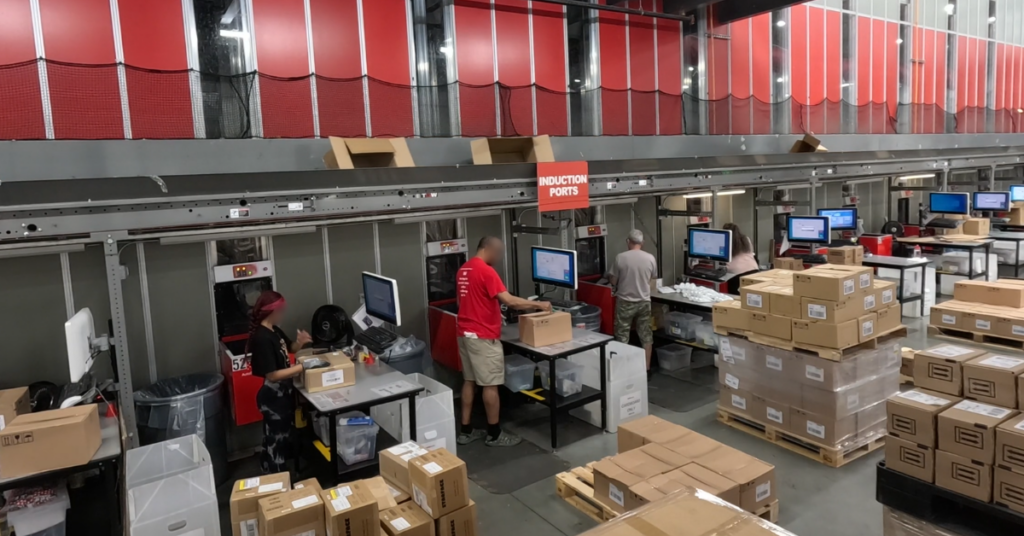
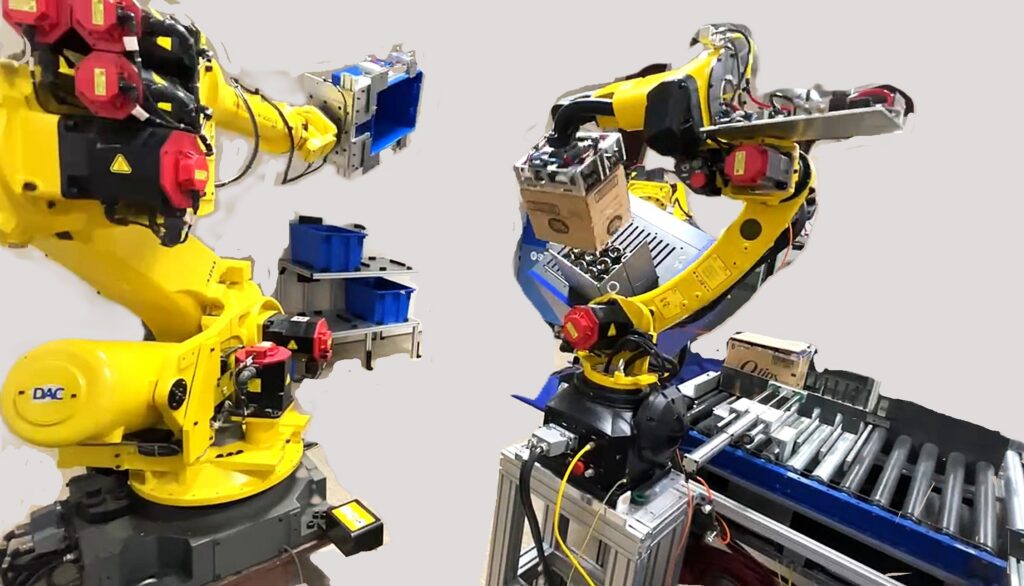
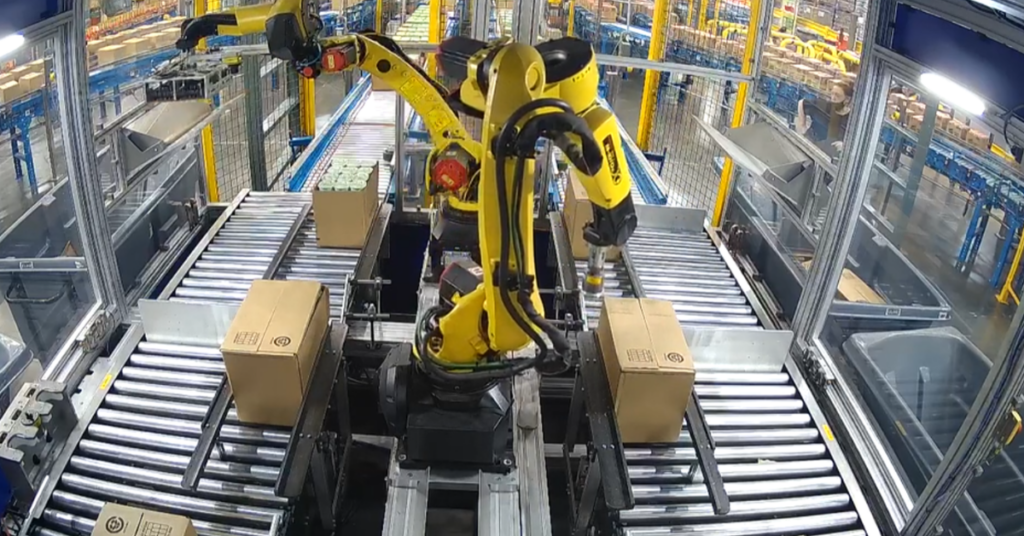
The Decant System (ADDRIS) scans case barcode ID to recognize and determine SKU eligibility for Automated Decant. Eligible cases convey to Automated Decant where case items are transferred in a single move, from case to tote. Automatically opened cases requiring operator Decant, convey to ergonomic station for processing. New cases will be trained into system at operator station to become eligible for automated transfer in future.
The Decant system can manage a wide range of case sizes and tote configurations. The scanning and conveyor system manages the allocation (sorting) of cases to the correct workstation for decant. Both manual and automated decant stations are managed and integrated with the robot consolidation put wall to optimize tote profiles for fulfillment systems.
Size and Operating Capabilities and Capacities
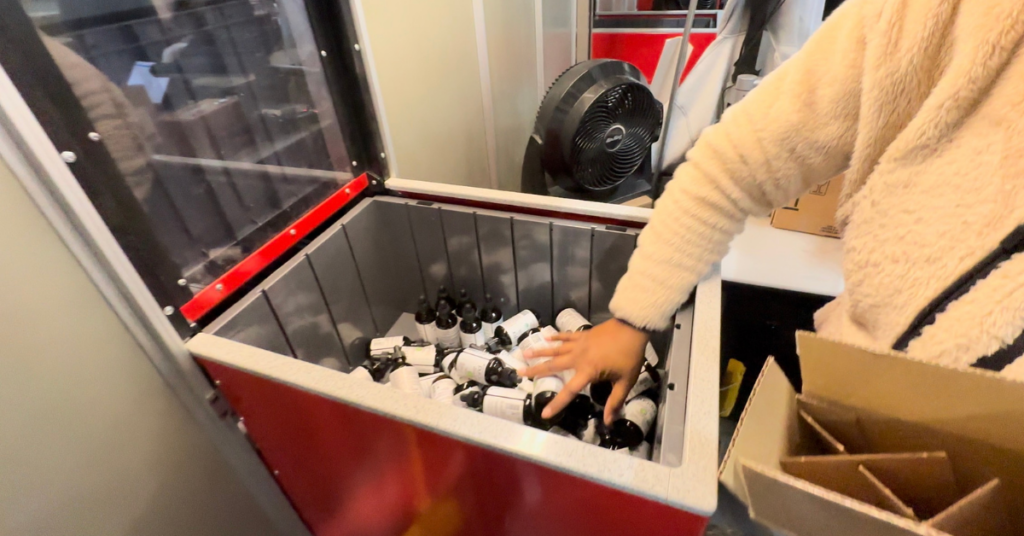
Cases are allocated in decant to reduce labor, increase rate and improve accuracy. Cases conveyed from the box opener are sorted by eligibility to automated decant cell(s) or operator decant station(s) that both utilize the automated (robotic) tote consolidation put wall to maximize the cube of totes. Cases can be transferred for single or multiple SKU tote profiles. This improves workflow while integrating automated and semi-automated decant stations to consolidate and optimize totes.
Improvements
The Decant system consists of a scanner to read the label on inbound, an automated box opener with lid removal feature and a Decant Robot to clasp cases and transfer the contents into a segmented or single compartment tote. The tote receiving the case(s) is brought forward by a robot from a put wall managed by WCS and Ai vision software for content configuration and inventory management.
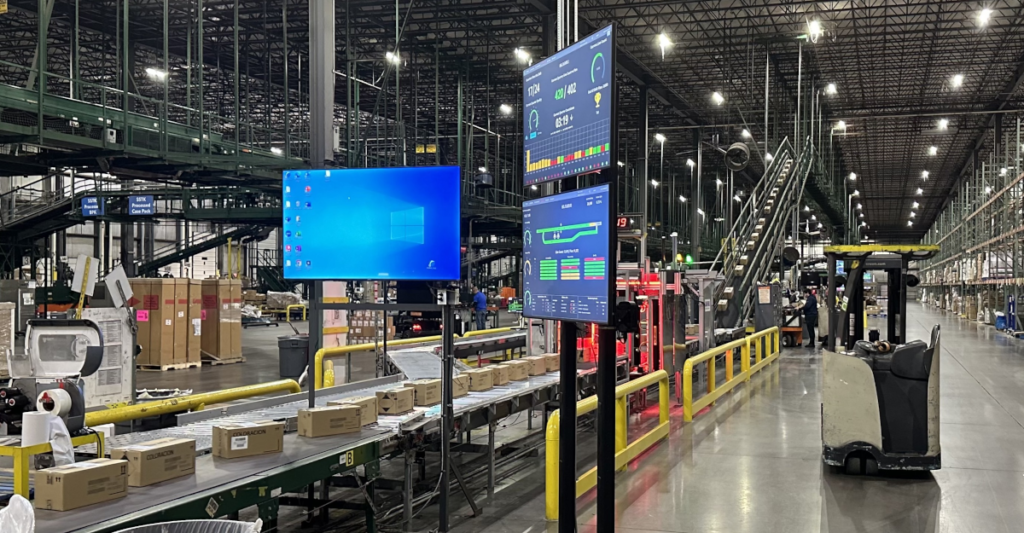
The Decant System is managed by our Remote Monitoring & Support – MRO program. RMS economically delivers the highest quality service support and troubleshooting to ensure the best ongoing value throughout the system’s lifecycle and minimizing the cost of ownership. The RMS system provides maximum uptime through continuous remote monitoring and secure VPN diagnostics.
Operators and maintenance teams have real-time visibility of performance metrics and inbound case data along with system status. The component level status enables proactive-preventative maintenance and rapid troubleshooting resolution without on-site service requirements. Automated alerts, event tracking reports, remote software and program updates, and expert engineering support teams ensure the system remains reliable around the clock, helping warehouses achieve 99% uptime.